

How Do You Actually Use Your Car?
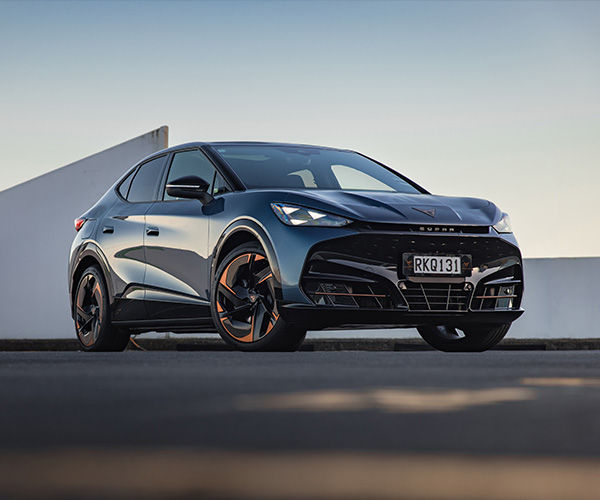
Mostly City Driving.
If most of your driving is commuting, school runs, and short trips around town, you likely do not need maximum range. Smaller, more efficient EVs are often the better fit. They are easier to park, cheaper to run, and typically more affordable to purchase.
For city driving, convenience matters more than battery size. Charging at home once or twice a week is often enough, and many urban drivers find they rarely use public chargers.
What to prioritise
Compact size for urban parking
Good efficiency in stop start traffic
Lower purchase price
Home charging convenience
Technology for daily usability
City EVs from $50,000 to $90,000

Geely EX5
From $49,990
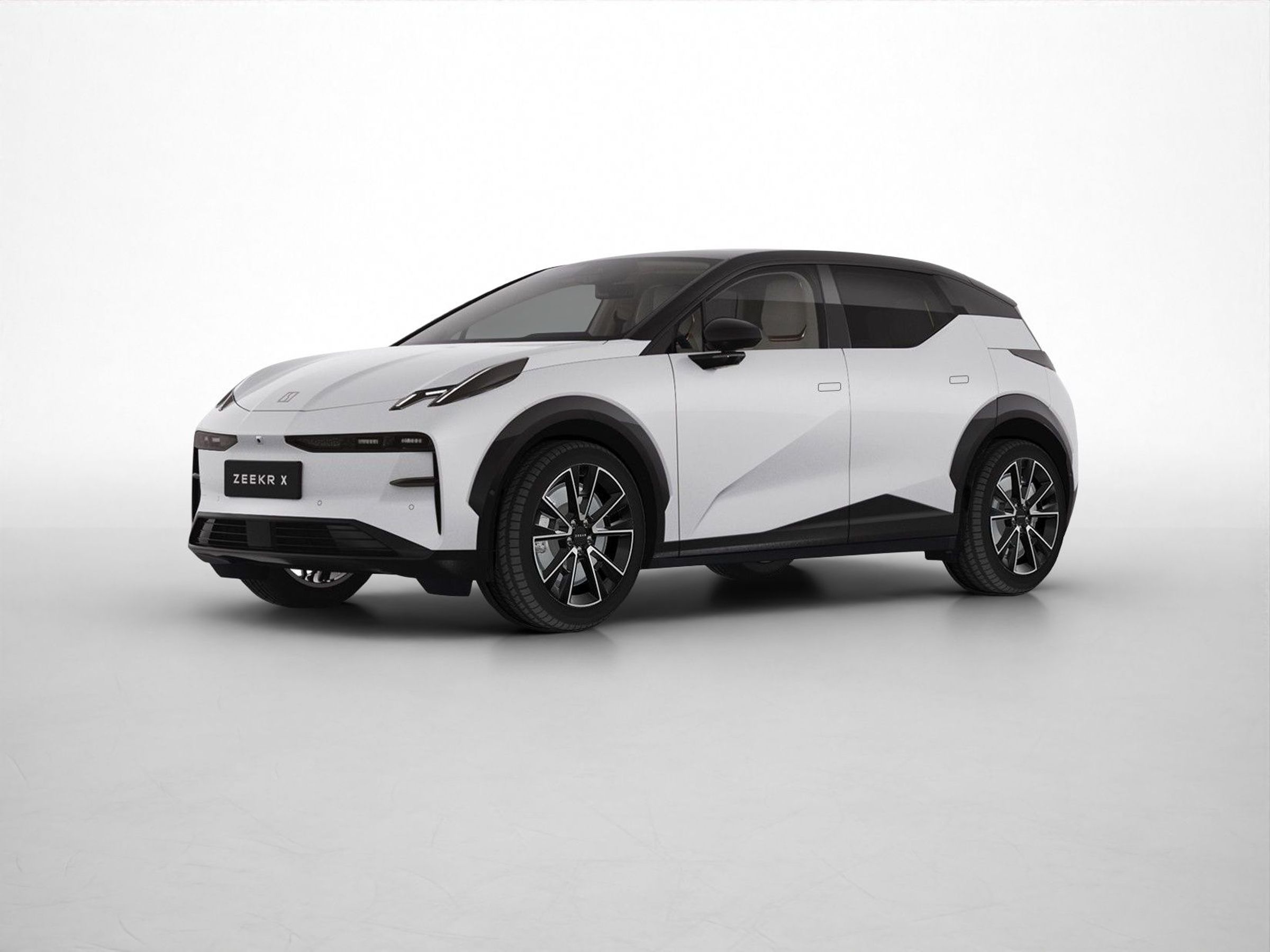
Zeekr X
From $59,900
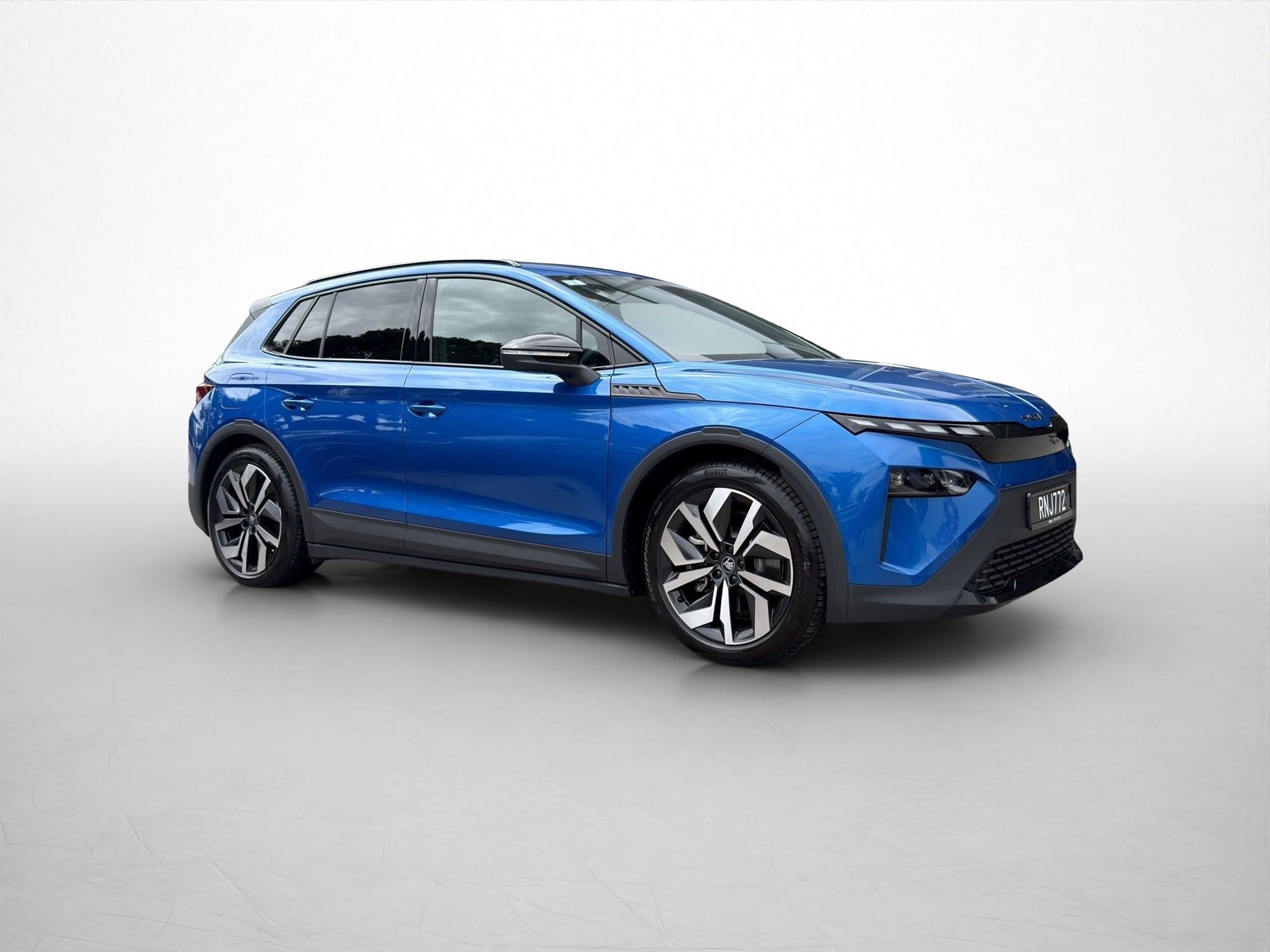
Skoda Elroq
From $69,000

Volkswagen ID.4 GTX
From $76,990
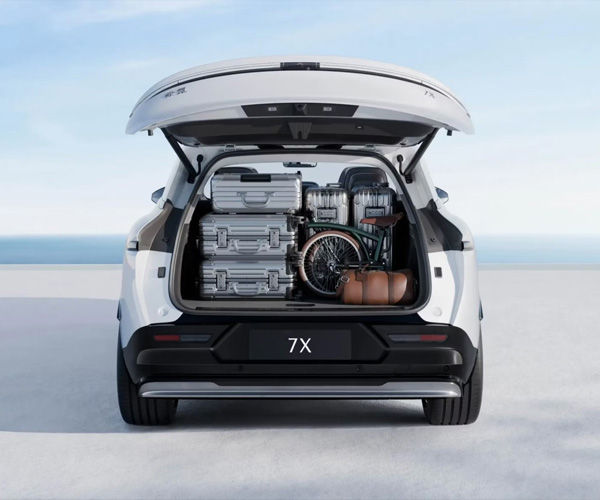
Family Car Replacement.
If the EV will become your main family vehicle, space, comfort, and range become more important. This is where larger SUVs and long range EVs make the most sense.
Family EVs need to handle school runs, weekend trips, and holidays without compromise. Rear seat space, boot capacity, and charging speed all play a bigger role.
What to prioritise
Rear seat space
Boot capacity
Longer driving range
Fast charging capability
Comfort for longer trips
Family EVs from $60,000 to $140,000
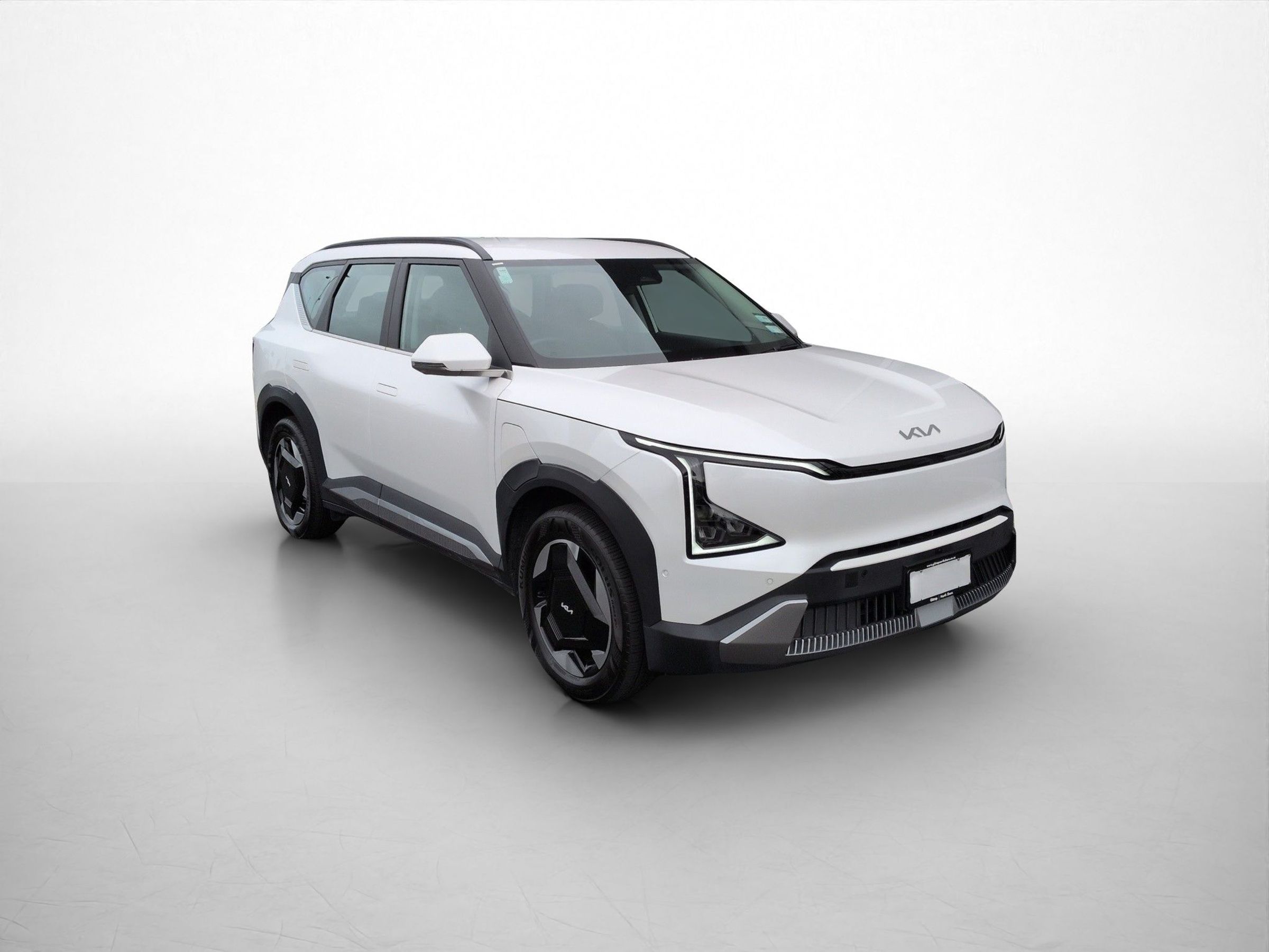
Kia EV5
From

Zeekr 7X
From $69,990

Skoda Enyaq
From $89,000
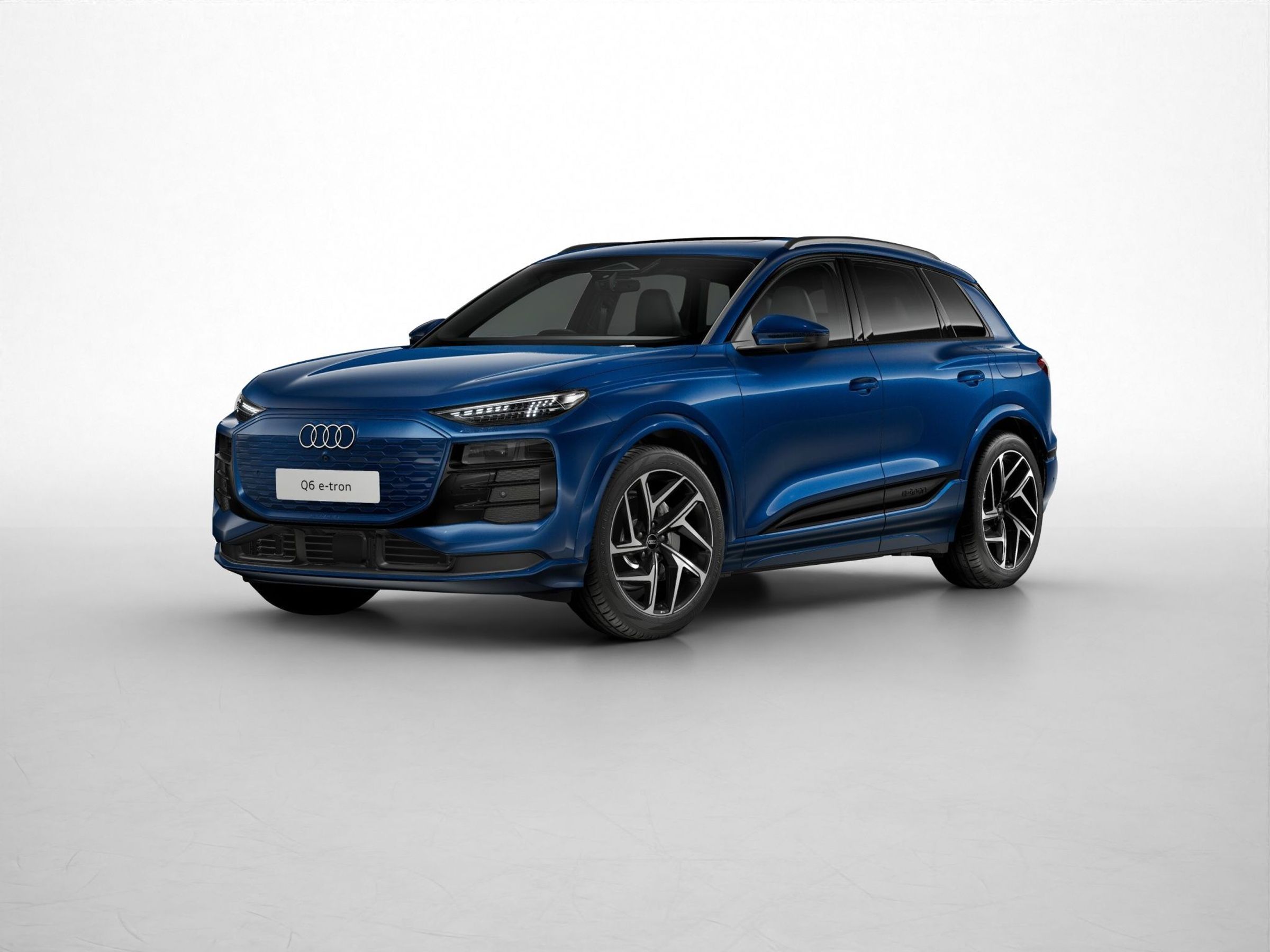
Audi Q6 e-tron
From
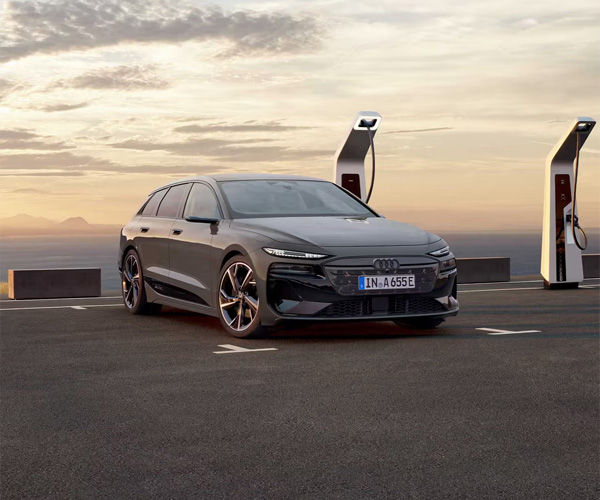
Long distance driving
If you regularly drive between cities, range and charging speed become critical. A larger battery EV reduces the number of charging stops and makes road trips easier to manage.
New Zealand’s charging network continues to expand, but longer range vehicles still offer the most flexibility.
What to prioritise
Large battery capacity
Fast DC charging
Comfortable highway ride
Driver assistance technology
Charging network compatibility
Long Range EVs from $60,000 to $160,000
Zeekr 7X Long Range
Up to 615km range*
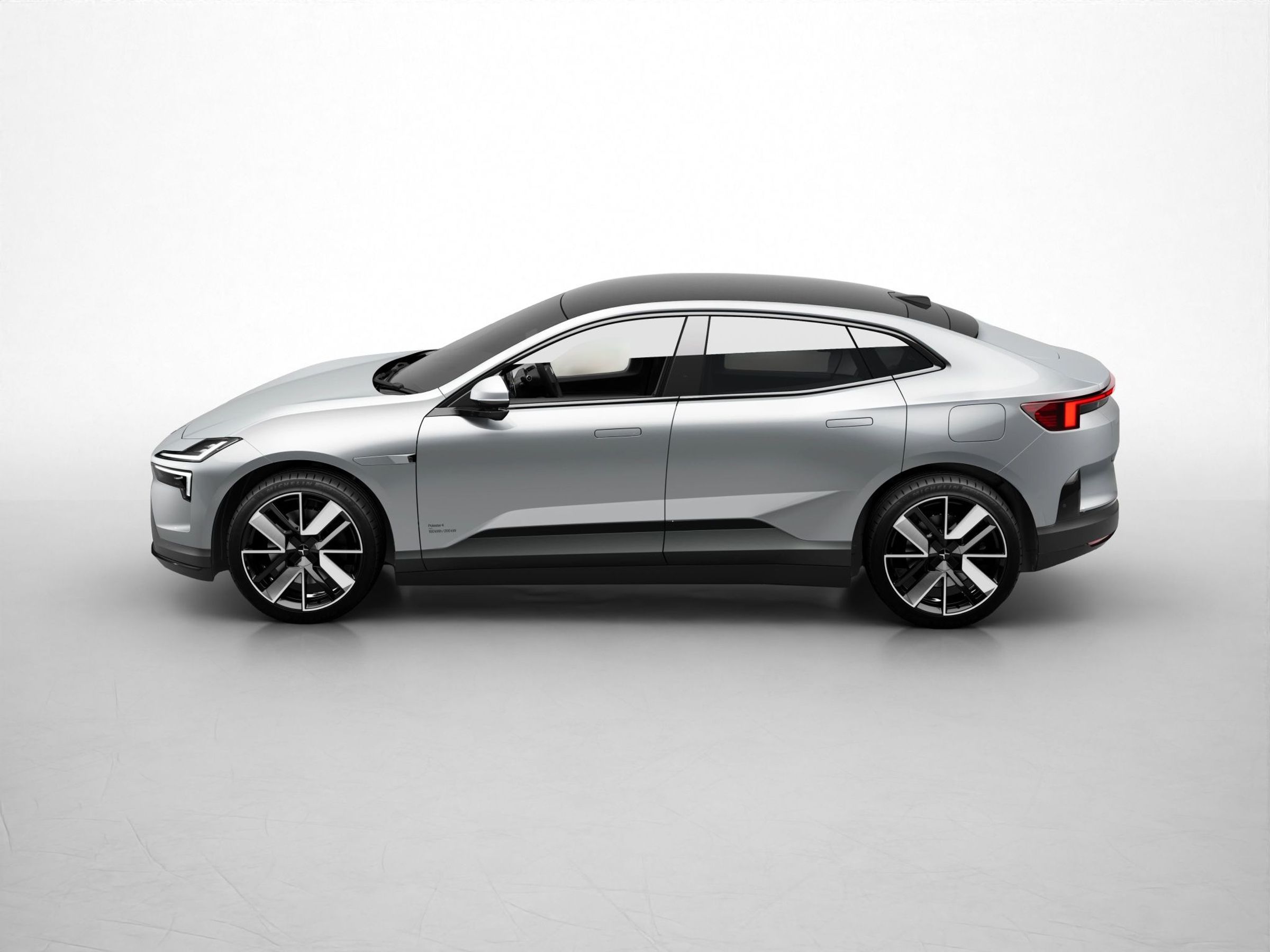
Polestar 4 Long Range
Up to 620km range*

Audi A6 e-tron
Up to 650km range*
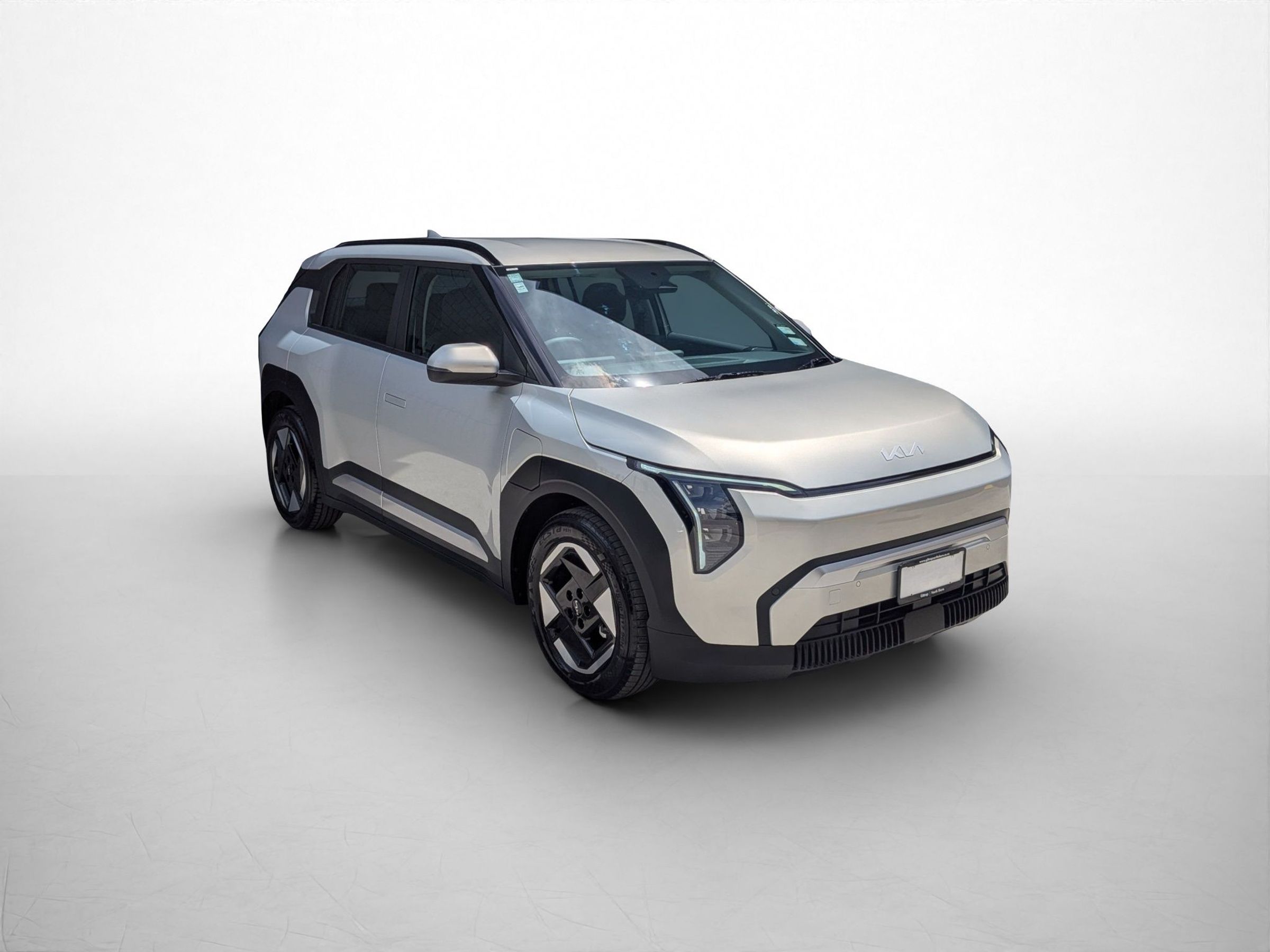
Kia EV3
Up to 605km range*